Imperfection & Healing
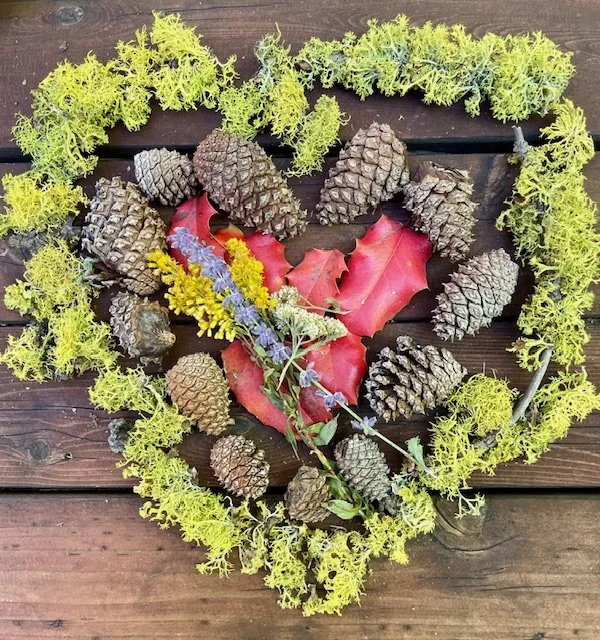
Health research shows when people experience a serious illness they do better when they “make meaning” from their experience.
Life breaks us some days, making the work of being human hard. I think often about the connection between perfection and our attitudes about health and life.
Many strive for perfection knowing it's never attainable. They work to master something not possible. Why even try?
How can more of us shift gracefully to believe, deep in our bones, that with or without illness, we are all imperfect? No one is immune to imperfection.
An invasive illness can break the body, mind, and spirit, sometimes exhausting a day, a week or even longer. With cancer treatments, hopefully we accept our humanness and not aim for unrealistic expectations.
On an uncertain journey with serious illness, I see in my work two different directions of beliefs.
One direction seeks meaning about how an illness may redirect and enhance a person. Rather than seeing themselves as broken down, the "wisdom-seekers" gather curiosity. They reexamine their life choices and attitudes. Even through anger, sadness, and fear. And sometimes even alongside an incurable illness.
Their center is to make some kind of meaning and seek out post traumatic growth. They savor what they still have, not what they don't. Even during months or years of discomfort.
Health research shows that people moving through serious illness fare better when they make meaning from their experience. Making meaning requires learning and unlearning. It's a practice. A practice of living and breathing in and out an imperfect life. A practice of living in an imperfect body.
This practice is not easy. However, the practice of perspective can lead to profound growth, resilience and possibly peace.
The other direction carries a heavy load of blame and shame. This group believes they did something wrong to deserve this disease. They stay stuck in a rut of hopelessness and guilt.
Behavioral choices do impact health. Sometimes choices are deeply rooted in trauma or an absence of something and can be complicated to change.
However, staying stuck in a rut of guilt and shame or any intense emotion is a roadblock and does not allow healing in.
No one is guaranteed a life without health scares and serious setbacks. Logically we understand this, yet when it happens, it lands hard and is difficult to handle the fear of health issues.
The Latin word for courage is "cor" and means "heart." To have courage is to have heart. To have heart is to have courage. Someone told me to see life with my heart. I try, I fail, and I practice again and again seeing the sometimes difficult world around me through my heart.
The well-known researcher Brene' Brown has one of the most watched TED Talks, "The Power of Vulnerability." She explains that people who live from a deep sense of worthiness are "wholehearted" people. She found that wholehearted people are vulnerable and dare to be imperfect. Wholehearted people also have a positive pattern of three characteristics: courage, self-compassion, and connection.
I believe that health crises teach. Maybe to teach that we have to bond with the difficult, alongside the easier times. We can honor both, even sometimes simultaneously. Maybe a simpler reminder is: that an imperfect body, in an imperfect life, is simply a life.
Honoring doesn't mean agreeing with what happened. Rather, we show compassion for ourselves when life gets harder and we get injured or sick. We can find some safety even in imperfection. We acknowledge that we do the best we can, and our best changes all the time.
The philosopher George Santayana said, "To be interested in the changing seasons is the happier state of mind, rather than to be hopelessly in love with spring."
Life is the practice of living through all the seasons.
We can move through the seasons when the weather isn't perfect. We can move through the seasons when we aren't perfect.
Let's summon courage to allow imperfection in all the seasons of our lives. Let's allow imperfection to guide us, wholeheartedly, when things fall apart. Let's see the wisdom and know we are all similarly imperfect and not designed in body, mind, or spirit to be perfect.